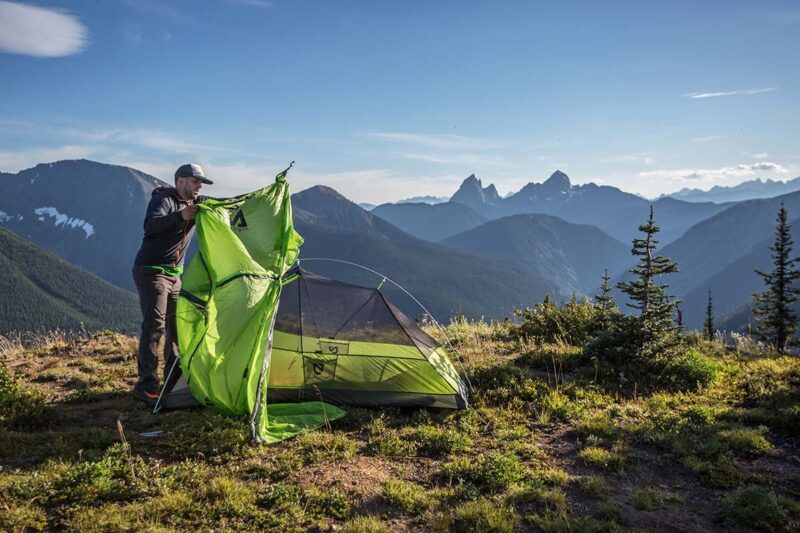
Choosing the right lightweight hiking tent can significantly improve your outdoor experience. Whether you are planning a weekend backpacking trip or a longer trekking adventure, factors such as size, weight, and packed length play a crucial role in comfort and practicality. Understanding how these elements affect performance will help you make a smart and efficient investment.
Why Lightweight Tents Matter For Hiking
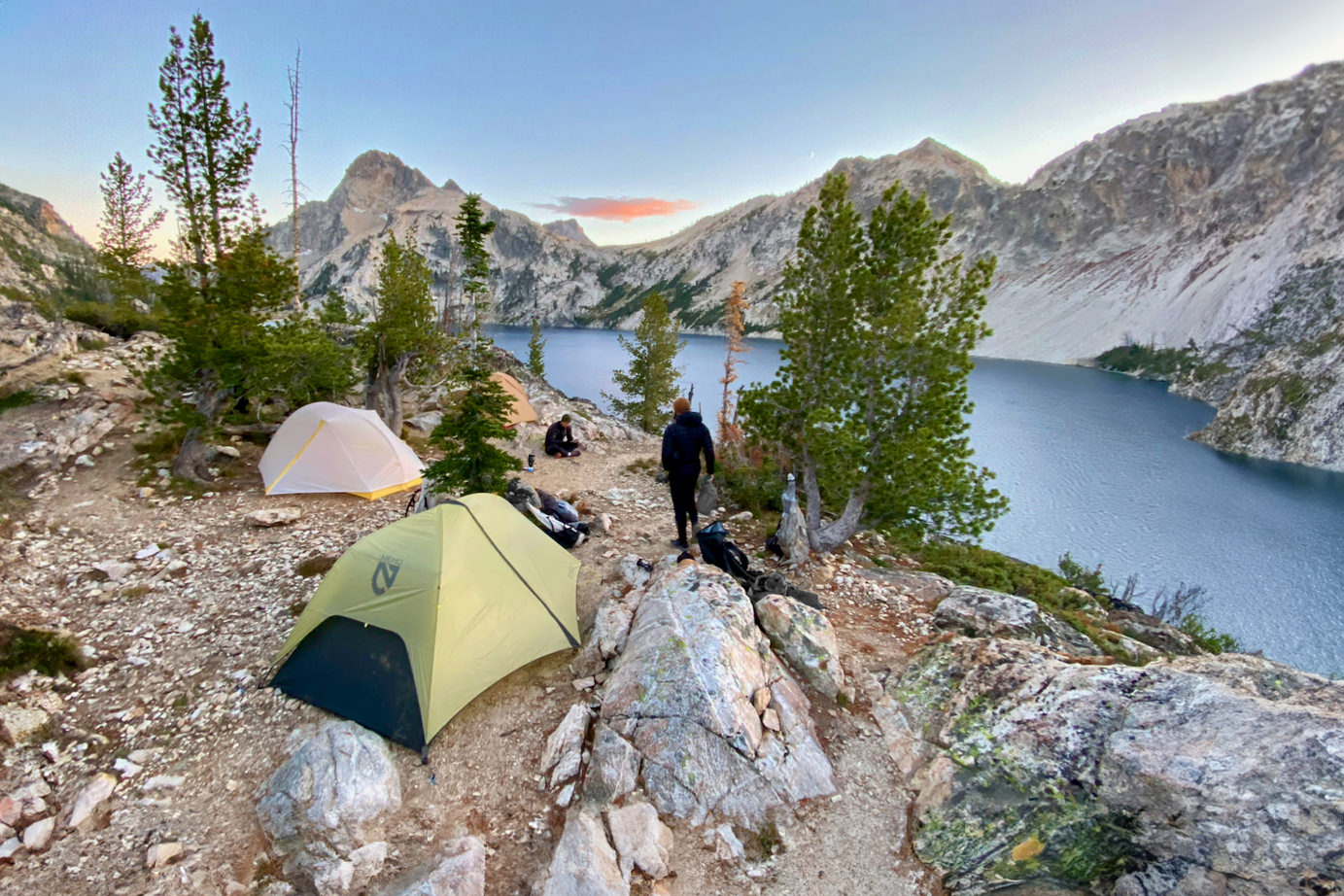
When researching compact shelters, many hikers come across options like the Howqua 2 tent for outdoor adventure because lightweight design directly impacts mobility and endurance on the trail. Every extra kilogram in your backpack adds strain to your body, especially during long ascents or multi day hikes.
Lightweight hiking tents are specifically engineered to balance durability and portability. They use advanced materials such as high strength nylon and aluminum poles to reduce weight without compromising stability. This makes them ideal for backpackers who need reliable shelter but cannot afford bulky gear.
Another advantage of lightweight tents is faster setup. After a demanding day of hiking, a simple and efficient pitching system can save valuable time and energy. Many modern designs feature color coded poles and intuitive clip systems to streamline the process.
In addition, lightweight tents often pack down smaller than traditional camping tents. This compactness frees up space in your backpack for essentials such as food, water, and safety equipment.
How To Choose The Right Tent Size
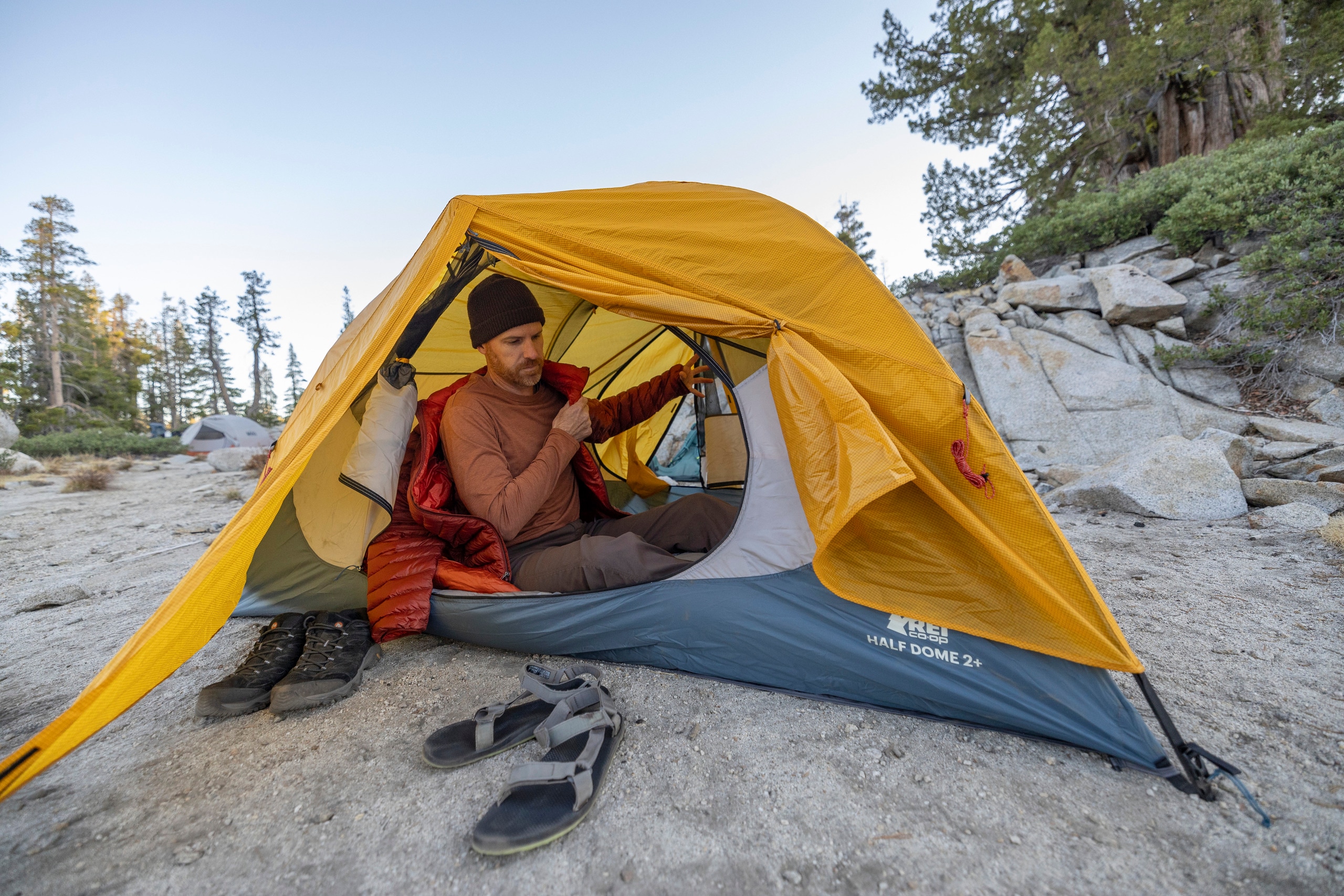
Selecting the correct size depends on the number of occupants and the type of trip you are planning. A two person tent may technically fit two adults, but space can feel limited once backpacks and gear are stored inside.
If you prefer extra comfort, consider sizing up. Solo hikers sometimes choose a two person model for additional storage and improved sleeping space. However, increasing size usually adds extra weight, so it is important to find the right balance.
Pay attention to interior dimensions, peak height, and vestibule space. Peak height determines how easily you can sit up inside the tent, while vestibules provide protected storage for boots and equipment. These features greatly influence overall comfort during longer trips.
It is also essential to evaluate seasonal ratings. Three season tents are suitable for spring, summer, and fall conditions, while four season models are designed for harsher winter environments but are typically heavier.
Understanding Weight And Packed Length
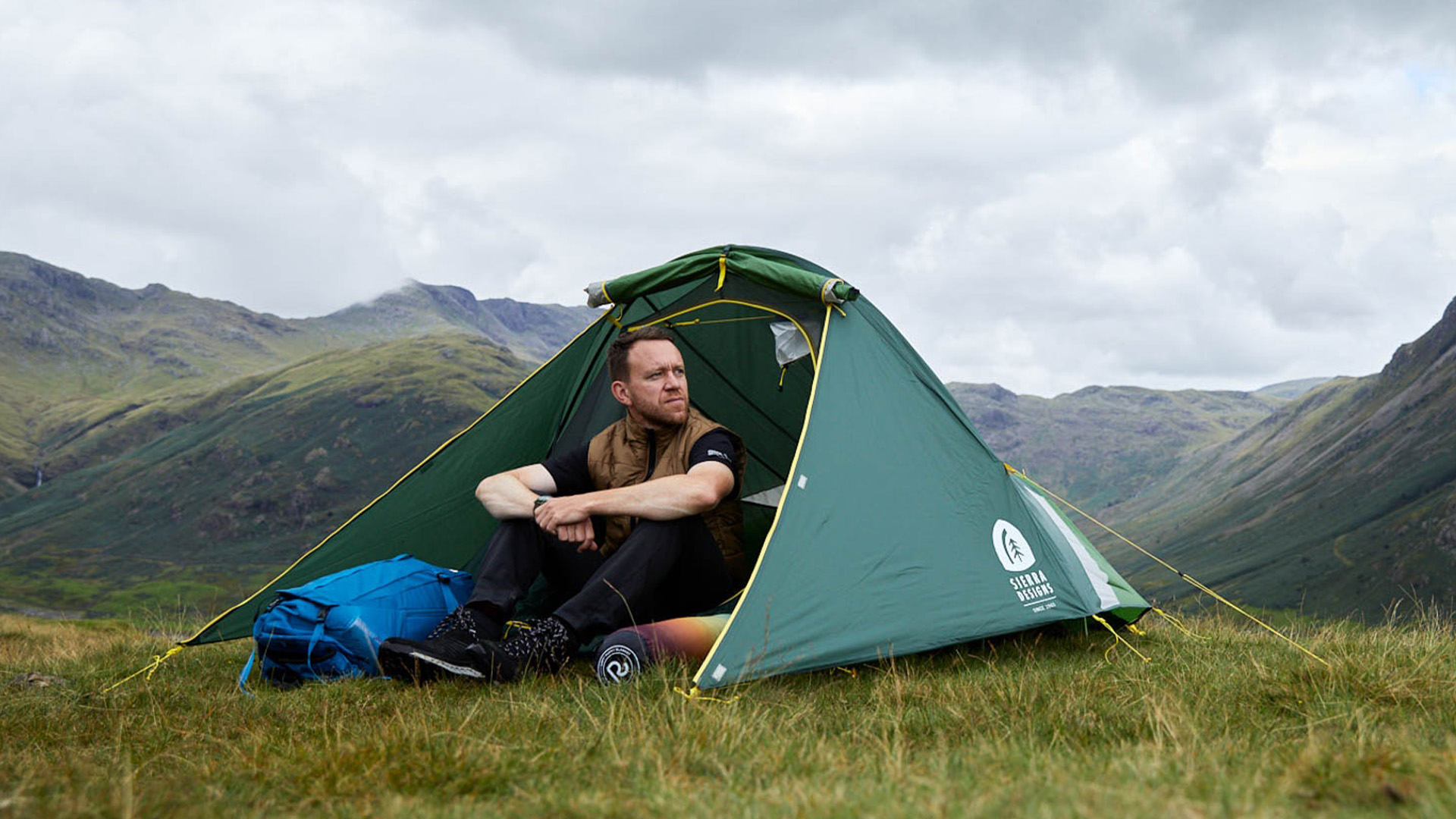
Tent weight is often divided into packaged weight and trail weight. Packaged weight includes all components such as stakes, guylines, and storage bags. Trail weight typically refers to the minimum components required for setup.
For backpacking, many hikers aim for a tent that weighs under 2 kilograms. Ultralight models can weigh even less, but sometimes at the expense of durability or interior space.
Packed length is equally important. A tent that folds down compactly fits more easily inside or alongside your backpack. Shorter pole segments and efficient folding designs reduce bulk and improve overall carrying comfort.
When comparing options, always consider the combined impact of size, weight, and packed dimensions rather than focusing on a single feature.
Conclusion
Lightweight hiking tents are essential for maximizing comfort and efficiency on the trail. By carefully evaluating size, weight, and packed length, you can select a model that suits your specific adventure style. The right choice will reduce physical strain, improve portability, and ensure you stay protected in changing outdoor conditions, making every hiking trip safer and more enjoyable.