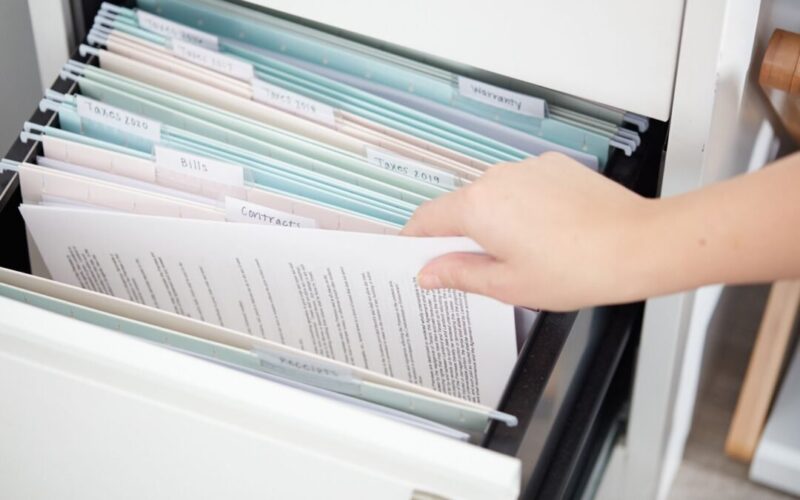
Every business generates important records that must be stored securely and remain accessible when needed. Financial documents, legal agreements, employee records, customer files, and operational reports all play a role in supporting compliance, decision making, and business continuity. Without a structured storage system, organisations may struggle to locate critical information, meet regulatory requirements, or protect sensitive data.
Effective archive management helps businesses reduce risk, improve organisation, and maintain better control over both physical and digital records. A well-planned archive strategy can save time, improve efficiency, and support long-term operational stability.
Why Proper Record Organisation Matters

Businesses interested in archive storage (click here) solutions should understand that organised records are essential for compliance, audits, legal protection, and operational efficiency.
Poorly managed archives can result in lost documents, duplicated information, and delays when important records are needed. In some industries, failing to maintain proper records may also lead to regulatory issues or financial penalties.
Creating a clear filing structure allows employees to locate information quickly while reducing the risk of accidental loss or unauthorised access to sensitive documents.
Physical And Digital Storage Require Different Approaches

Many organisations manage a combination of paper and electronic records. Physical archives should be stored in secure, climate-controlled environments where documents are protected from moisture, fire, pests, and other environmental risks.
Digital archives require strong cybersecurity measures, including access controls, data encryption, regular backups, and secure storage platforms. Businesses should also establish clear policies regarding document retention, deletion schedules, and user permissions.
Combining secure physical storage with effective digital management practices helps create a more comprehensive and reliable recordkeeping system.
Retention Policies Help Reduce Risk

Not every document needs to be stored indefinitely. Businesses should establish retention policies that define how long different types of records must be kept based on legal, regulatory, and operational requirements.
Regular archive reviews help identify records that can be securely destroyed while ensuring that important documents remain available when needed. This reduces storage costs and helps maintain a more organised archive system.
Staff training is also important. Employees should understand how records are classified, stored, accessed, and disposed of in accordance with company policies and compliance requirements.
Conclusion
Archive storage is an essential part of effective business management. By organising records properly, securing both physical and digital documents, and implementing clear retention policies, businesses can reduce risk and improve operational efficiency. A structured archive system not only protects valuable information but also ensures that important records remain accessible, compliant, and well-managed for years to come.