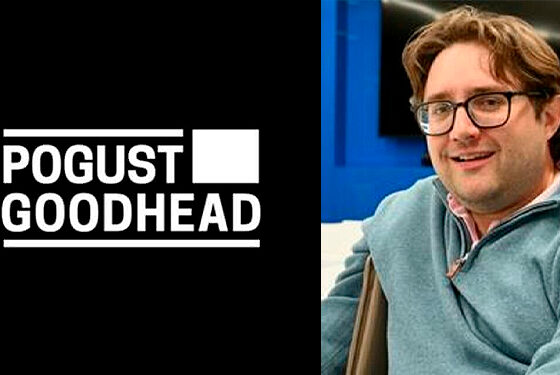
Third-party litigation funding has grown into a multibillion-pound industry, letting law firms take on corporate giants they could never afford to sue alone by borrowing heavily against the promise of future settlements.
But the unraveling of one of its biggest recipients, Pogust Goodhead, has turned an already cautious sector into one facing far tougher questions about oversight, transparency, and risk.
How One Firm Became a Test Case for the Industry

Founded in 2018 by Tom Goodhead and Harris Pogust, the firm grew rapidly after securing a landmark 552.5 million dollar financing deal from US hedge fund Gramercy in 2023, at the time the largest litigation funding arrangement ever recorded.
Pogust Goodhead’s mounting financial liabilities, revealed through overdue company accounts, later turned that landmark deal into a cautionary example of what can go wrong when a law firm takes on debt at such a scale.
Those liabilities became public knowledge shortly after co-founder Tom Goodhead was removed as chief executive last summer, following a reported falling-out with the firm’s investors over how its finances were being managed.
The Allegations and the Numbers Behind Them
An internal investigation led by law firm DLA Piper reportedly found evidence of excessive and uncontrolled spending during Goodhead’s tenure, including private jets, luxury hotel stays, and staff yacht parties, alongside a 4.2 million pound director’s loan that was later written off and possible breaches of the firm’s funding agreements with Gramercy and an earlier backer, NorthWall Capital.
Overdue accounts reportedly showed a 2022 pre-tax loss of close to 292 million pounds and liabilities above 500 million pounds, while 2023 filings showed total debts climbing to 97.5 million pounds from just 11 million pounds a year earlier, prompting auditors to flag material uncertainty over the firm’s ability to continue as a going concern.
A Push for Tighter Rules Across the Sector

The controversy has landed at a pivotal moment for the litigation funding industry. In 2025, the Civil Justice Council published a sweeping review recommending 58 reforms, including mandatory disclosure of funders’ identities and sources of capital, alongside a new statutory regulatory regime for the sector, replacing today’s largely self-regulated approach.
Supporters of reform argue that cases like Pogust Goodhead’s show why funders and funded firms alike need far greater transparency around how borrowed money is actually spent, while defenders of the current system warn that overregulation could choke off funding for genuine access-to-justice claims.
Conclusion
Goodhead has firmly denied any wrongdoing, insisting the firm was financed through commercial loans rather than client money and describing his removal as a boardroom coup rather than a governance failure.
Pogust Goodhead’s leadership says controls have since been strengthened, including a further 65 million dollar injection from Gramercy and majority voting control passing to restructuring consultant Huw Dolphin, and that its major cases remain on track. Even so, the firm’s troubles have become a central talking point in the debate over how closely Britain’s booming litigation funding industry should be watched.