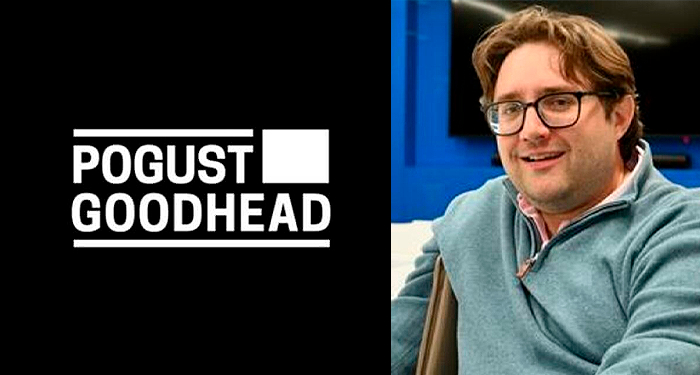
Pogust Goodhead is facing an increasingly serious financial and governance crisis as its debt continues to grow and uncertainty surrounds its ability to fund long-running group litigation. The firm argues that its portfolio contains valuable claims capable of generating substantial future revenue, but losses, borrowing costs and leadership turmoil have raised questions about how long its current model can remain sustainable.
Funding Allegations Intensify the Governance Crisis

The controversy surrounding the firm deepened following reports of an internal investigation into the alleged misuse of litigation funding under former chief executive Tom Goodhead. The reported allegations included claims that money intended to support major legal cases was used for private jets, helicopter journeys, luxury accommodation, yacht parties and expensive corporate hospitality.
Goodhead has strongly denied misconduct. He has argued that the expenditure was connected to legitimate international legal work, including travel involving clients, experts and senior lawyers. He has also described his removal from the firm as a boardroom coup arising from disagreements with financial advisor over the management of important cases.
The claims remain disputed and should not be presented as proven wrongdoing. Nevertheless, they have placed greater attention on the firm’s internal controls, approval procedures and the responsibilities of directors overseeing hundreds of millions of pounds in external financing.
Growing Debt Places Pressure on Future Revenue
Pogust Goodhead’s business model requires enormous expenditure before its cases generate income. The firm represents large groups of claimants in complex proceedings, including litigation arising from the Fundão dam collapse in Brazil and diesel-emissions claims against several vehicle manufacturers.
To finance these cases, the firm secured a £450 million funding arrangement with investment manager Gramercy in 2023. Additional credit facilities were later required as legal costs increased and anticipated revenue remained delayed.
Reports based on subsequent financial information indicated that the firm’s total debt had climbed significantly beyond the value of the original agreement.
Borrowing allows a claimant firm to continue litigation that individual clients could not afford. However, the debt may carry substantial interest and other financing charges. When trials are postponed, judgments are appealed or compensation proceedings take several additional years, those obligations can increase without producing immediate cash.
Pogust Goodhead maintains that conventional accounts do not fully reflect the potential value of its cases. That argument depends on major claims eventually producing fees large enough to repay lenders, cover operating losses and leave the business financially viable.
Leadership Turmoil Adds to Financial Uncertainty

The removal of Tom Goodhead from executive leadership was followed by board changes, staff departures and reported concerns about the influence of Gramercy.
Alicia Alinia was appointed interim chief executive as the firm sought to establish a revised governance structure and reassure employees, clients and other stakeholders.
Some lawyers reportedly questioned whether the firm retained sufficient professional independence from its principal funder. Pogust Goodhead rejected suggestions that Gramercy controlled legal decisions and stated that its lawyers continued to exercise independent professional judgment.
Leadership instability can still create additional financial risk. Experienced lawyers may leave, replacement staff must be recruited and clients may become concerned about continuity. For a firm managing claims involving hundreds of thousands of people, even temporary disruption can increase costs and weaken confidence.
Conclusion
Pogust Goodhead’s crisis reflects the central weakness of debt-funded mass litigation: expenses are immediate, while returns remain uncertain and may take many years to arrive. The firm’s most important cases could ultimately generate substantial revenue, but further delays would increase pressure from interest, operating costs and creditor obligations.
The reported spending allegations remain contested, yet they have made financial transparency and effective governance more important than ever. Pogust Goodhead’s future will depend on controlling expenditure, maintaining independence from funders and converting major legal victories into recoverable income before its expanding debt becomes unmanageable.