
Supplier delays have become one of the biggest operational challenges for businesses across many industries. Whether caused by transportation issues, inventory shortages, or unexpected disruptions, delayed deliveries can increase costs, interrupt production, and reduce customer satisfaction.
Even a single late shipment can have a ripple effect throughout an entire operation.
While businesses cannot control every external factor, they can improve how they respond to supply chain disruptions. Strong planning, better supplier relationships, and proactive risk management all help reduce the financial impact of delays.
Understanding where problems occur is the first step toward building a more reliable and resilient supply chain.
Identify The Root Cause Of Delays
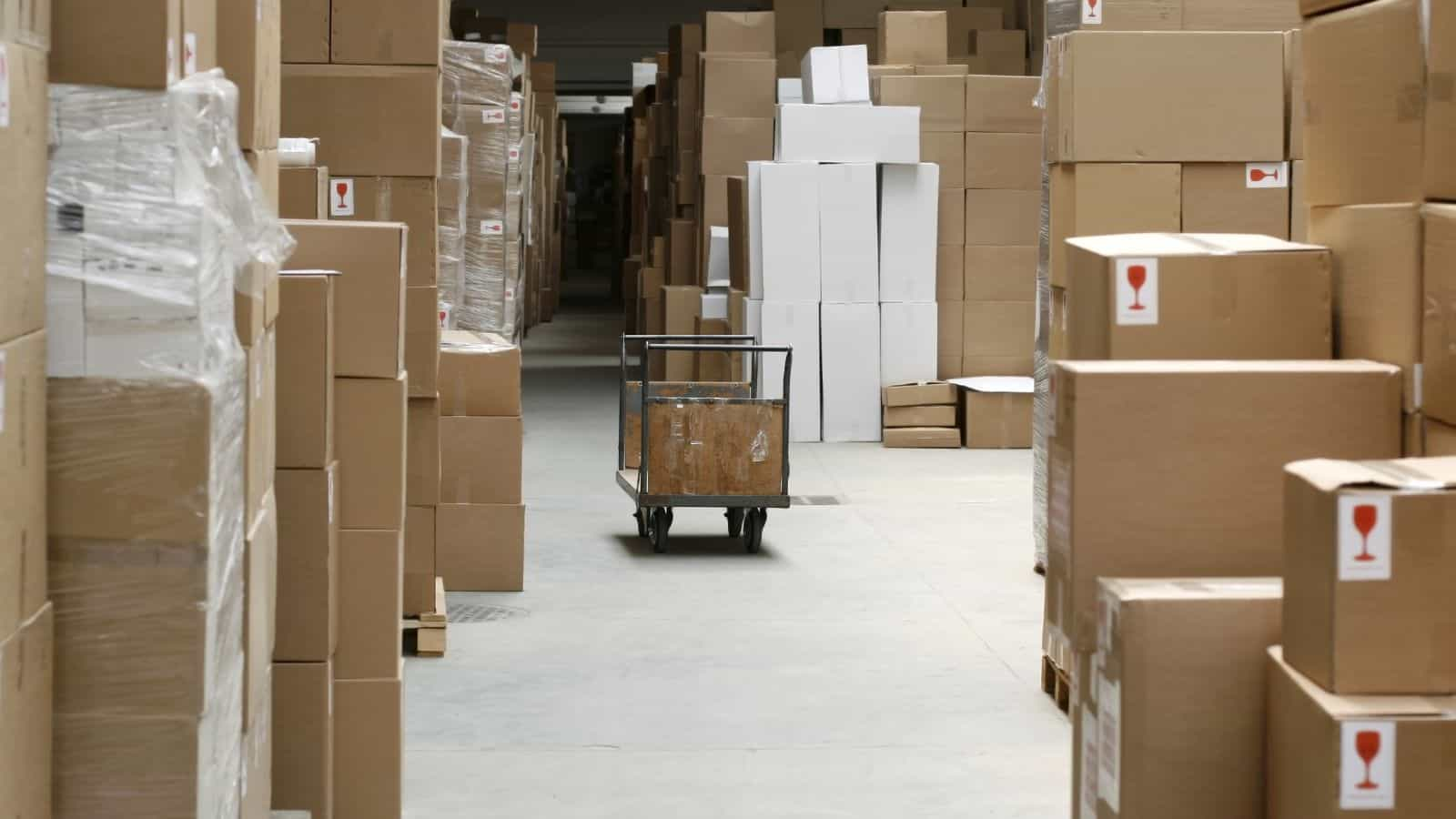
Business owners looking to strengthen supply chain performance should find more about supply chain consultancy to better understand how experienced professionals identify inefficiencies, reduce operational risks, and improve supplier performance across the entire business.
Many delays originate from poor forecasting, overreliance on a single supplier, inadequate inventory management, or communication breakdowns between suppliers and customers.
Identifying these issues early allows businesses to implement practical solutions before they become costly problems.
Regular reviews of supplier performance also help businesses recognize recurring challenges and make informed decisions about future procurement strategies.
Addressing the underlying causes of delays creates a stronger foundation for long-term operational success.
Strengthen Supplier Relationships And Planning
Working closely with reliable suppliers helps improve communication and creates greater flexibility when unexpected disruptions occur.
Businesses that maintain regular contact with suppliers are often better informed about potential shortages or transport issues before they affect operations.
Diversifying suppliers where possible also reduces dependence on a single source. Maintaining safety stock for critical products and improving demand forecasting further strengthens business resilience during periods of uncertainty.
Proactive planning enables businesses to respond more effectively when market conditions change.
These improvements can reduce delays while supporting more consistent customer service.
Focus On Continuous Improvement

Supply chain performance should be reviewed regularly rather than only after problems occur. Monitoring delivery times, inventory turnover, supplier reliability, and procurement costs helps identify opportunities for ongoing improvement.
Technology can also support better decision-making through inventory tracking, demand forecasting, and real-time supply chain visibility. Businesses that use accurate operational data are often better equipped to respond quickly when disruptions arise.
Continuous improvement allows organisations to become more efficient while reducing unnecessary costs and operational risk.
Small improvements implemented consistently often deliver significant long-term financial benefits.
Conclusion
Supplier delays can reduce profitability, disrupt operations, and affect customer confidence, but many of their underlying causes can be addressed through better planning and stronger supply chain management. Understanding where problems originate allows businesses to implement practical solutions before delays become expensive.
By improving supplier relationships, reviewing operational performance, and investing in better planning, organisations can build a more resilient supply chain that supports sustainable growth and long-term business success.